Your team focused on strategy, not on spreadsheets
Reconciliation, invoices, tax obligations and reporting still consume your team. AI eliminates manual work and frees your controllership for what matters: decision-making and control.
Margin straight to the bottom line
From 43 minutes to 30 seconds per invoice
Invoice processing 86x faster, with no human intervention. Extraction, validation, accounting classification and ERP posting in a single execution.
Visible cost per AI execution
Every AI call goes through a centralized gateway with full logging. Cost per process, per agent, per department. Real FinOps, not estimates.
Compliance in the architecture, not on a checklist
Granular access control, continuous auditing and traceability of every financial data point. Security built in from the first deploy, not bolted on after.
How finance teams use OORT
Data extraction, tax validation, accounting classification and ERP posting. From 43 minutes per invoice to 30 seconds, with no human intervention. R$20K/month eliminated in a single process.
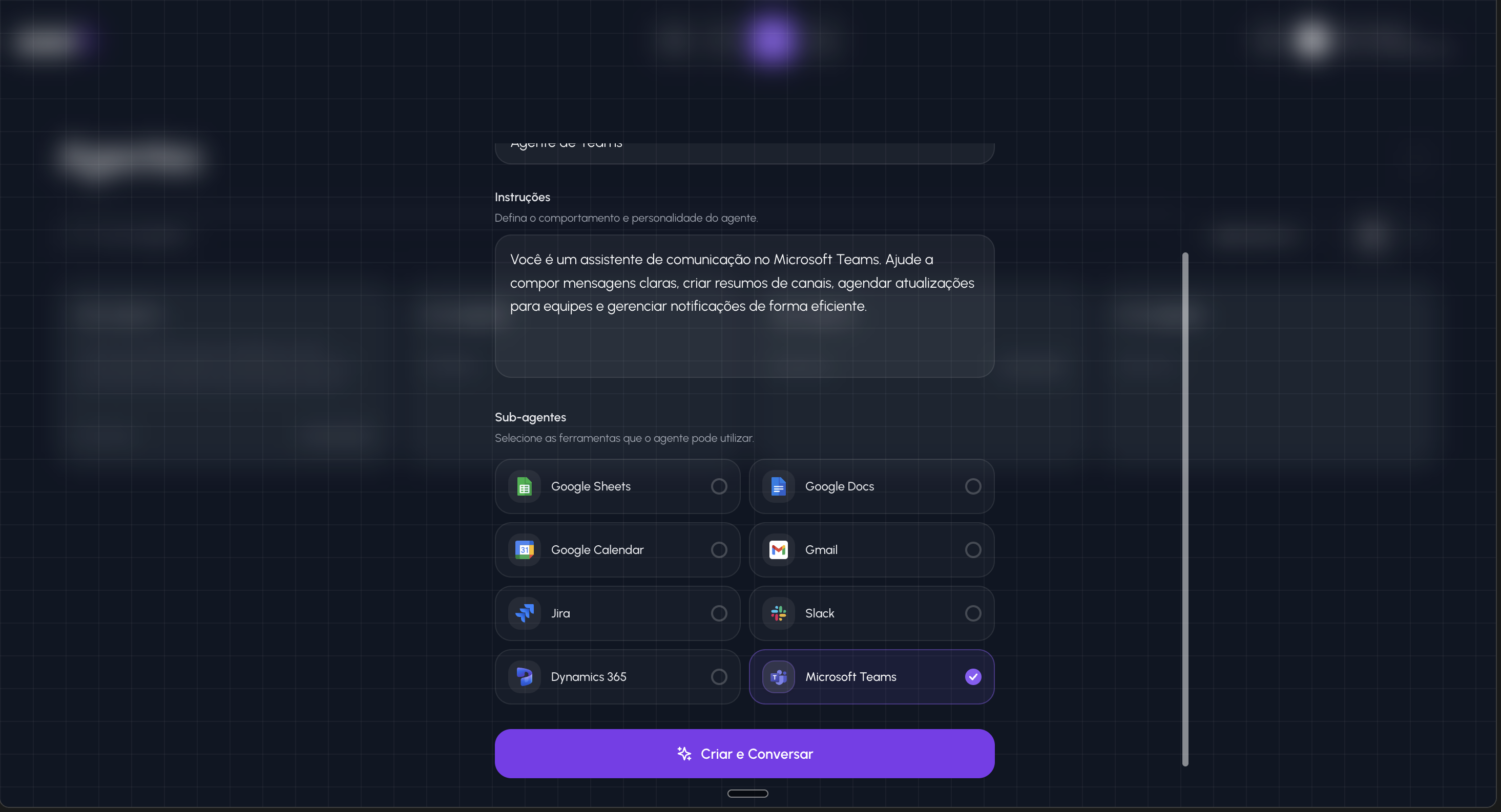
How finance teams use OORT

“44% of CFOs already use generative AI in more than 5 use cases, compared to just 7% the previous year. Finance teams reduced reconciliation effort by over 50% and dedicate up to 30% more time to strategic decisions.”


“Reconciliation, accounts payable and FP&A automation reduced accounting close from 8 to 2 days. 85% of invoices processed without human touch, saving US$180K per year. 18x ROI.”

“AI adoption in accounts payable grew 4x in one year, from 7% to 29%. Average cost per invoice dropped from US$12-30 to US$1-5 with automation. CFOs are at the forefront of the transformation.”
Diagnosis, automation and control for your finance team.
Every stage connected to results.
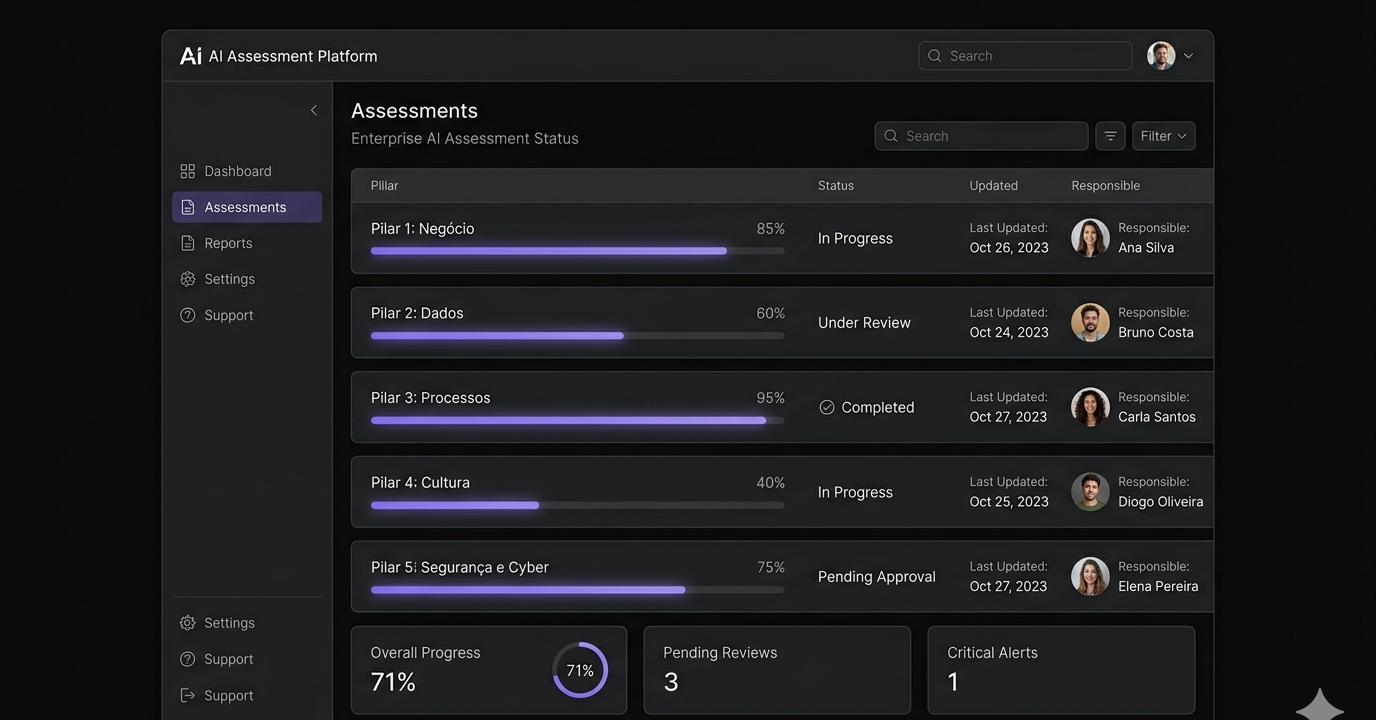
AI Assessment
Agents interview your teams, map real processes and project the return of each opportunity. The result is a complete diagnosis with detailed reports, a prioritization roadmap and a clear AI adoption plan. Can be contracted separately.
Discover Assessment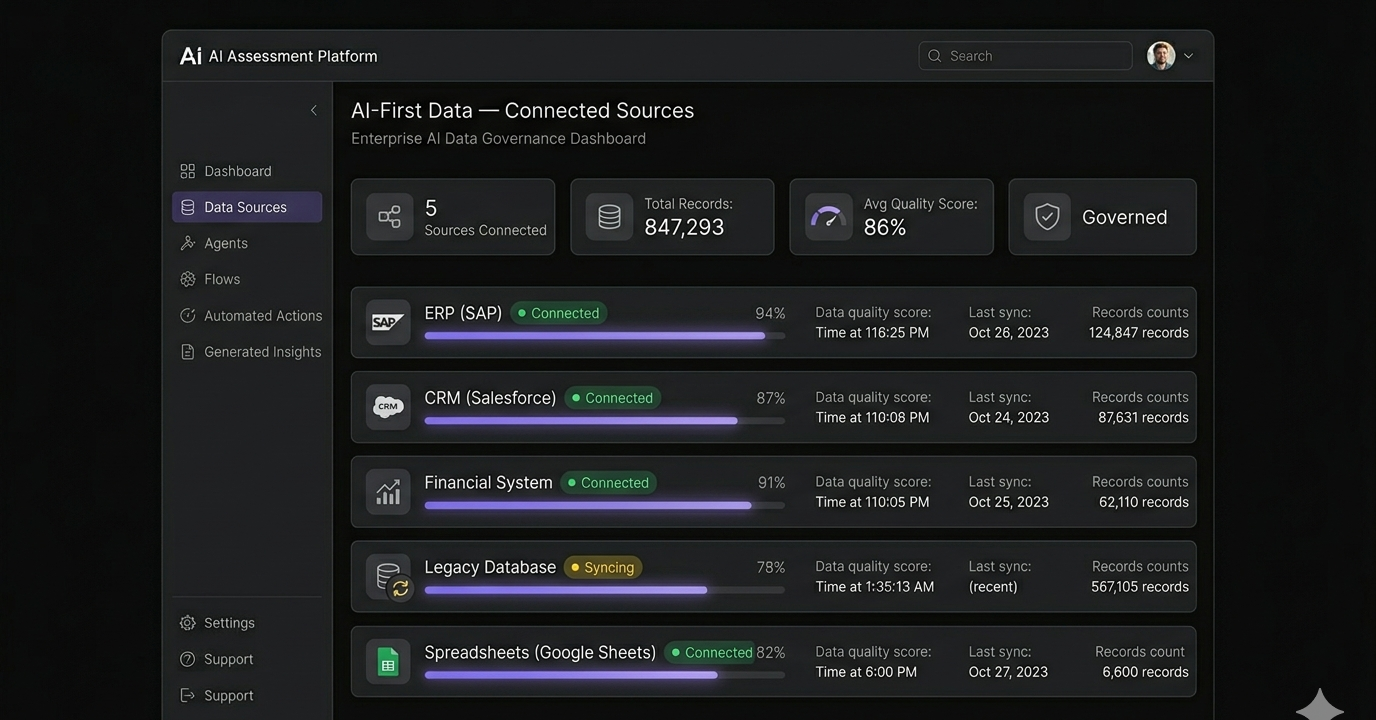
AI-First Data
Data from ERPs, banks and accounting systems organized and governed where they already are. Full lineage of every financial data point, from source to report.
Discover AI-First Data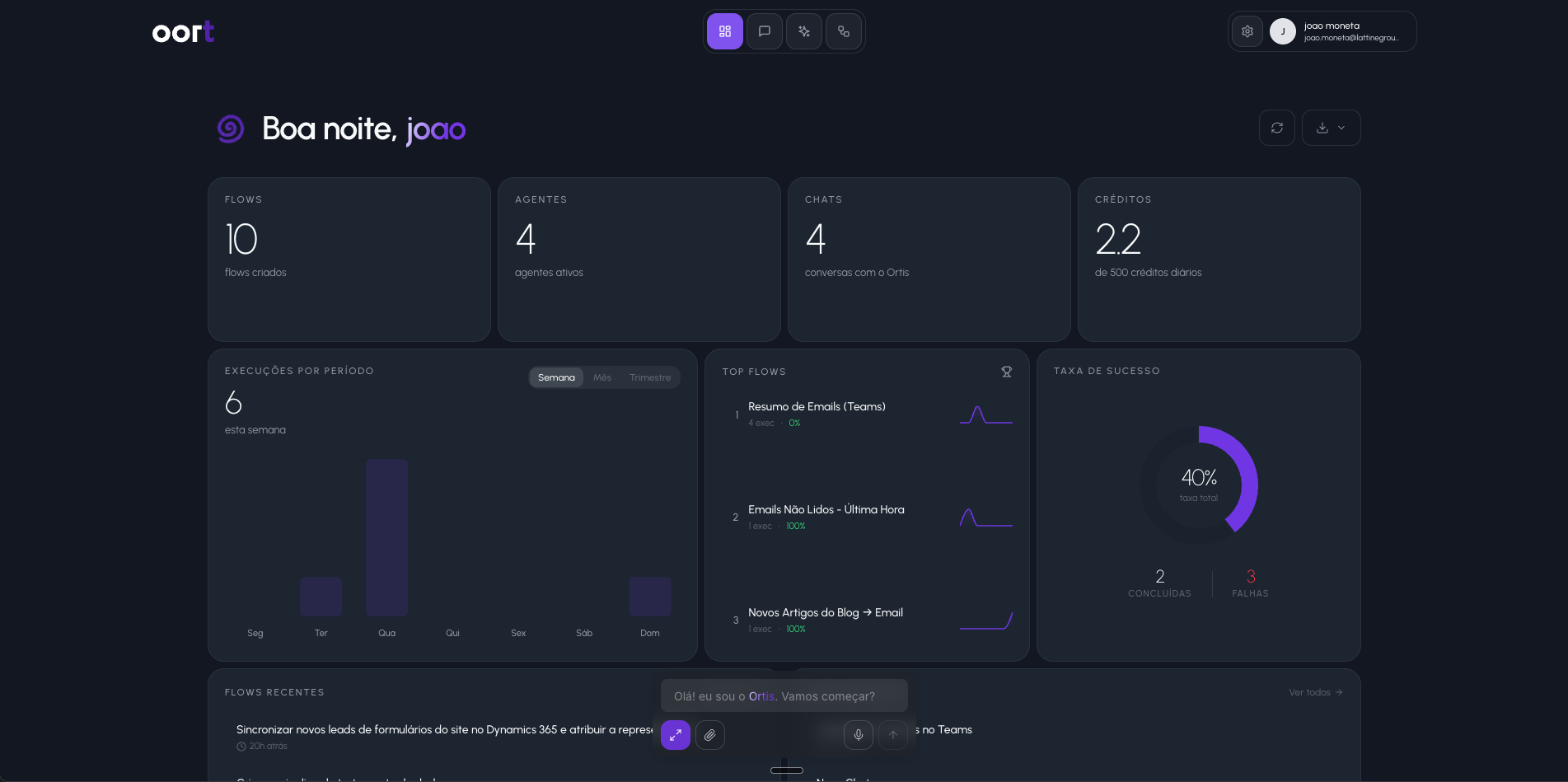
OORT Flows
Invoice processing, statement reconciliation, due date monitoring and tax obligation generation 24/7. A R$20K/month process eliminated with zero intervention.
Discover Flows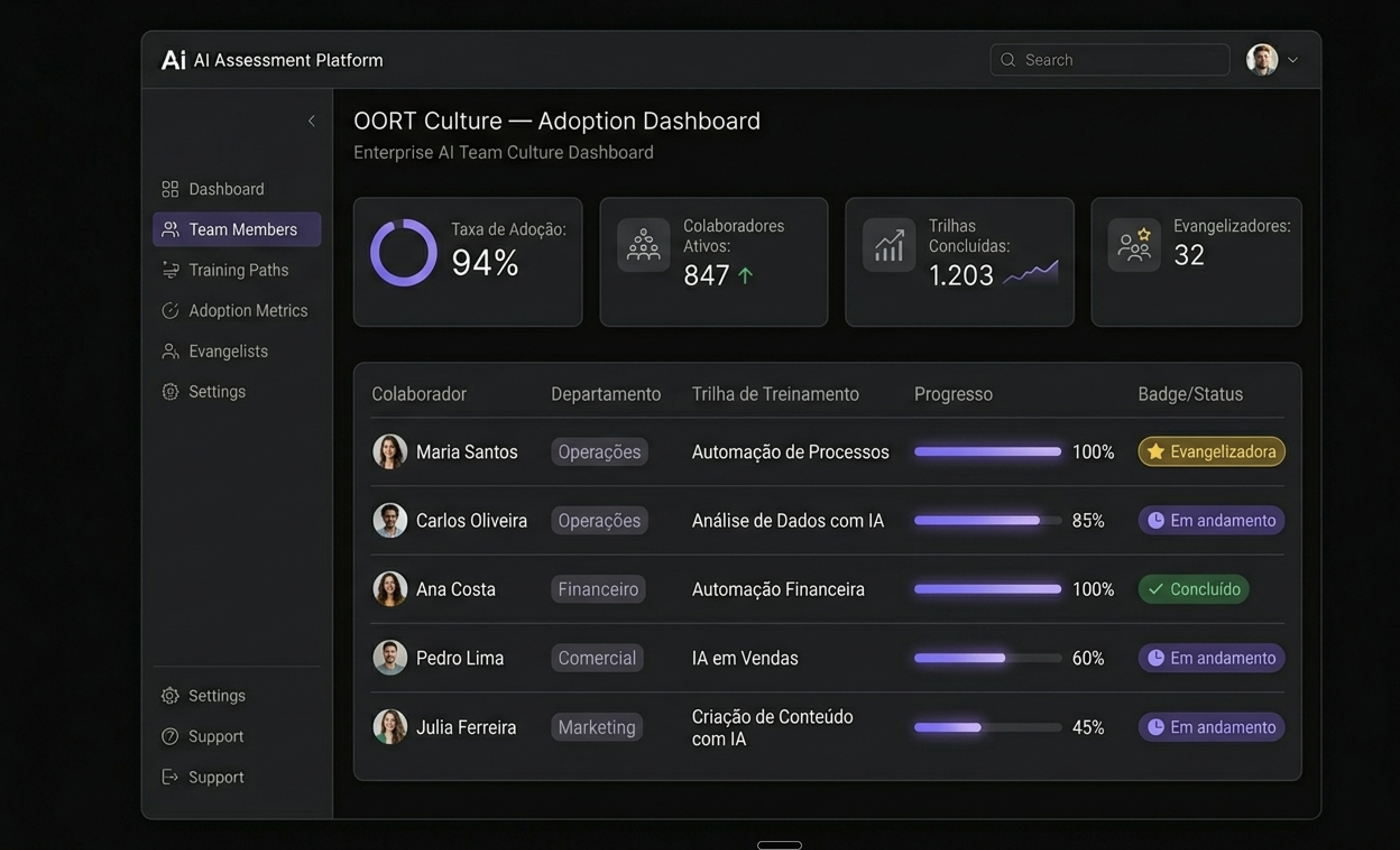
OORT Culture
Accounting, treasury and controllership prepared to operate with AI. Hands-on training on your actual finance processes, not generic examples.
Discover CultureEnterprise security for your operation
Your data never leaves your environment. Encryption at every layer, granular access control, full audit trail and LGPD compliance by default.
Frequently asked questions about AI for Finance
30 seconds per invoice, compared to 43 minutes manually — an 86x acceleration. The AI extracts data, validates tax information, classifies accounting entries and posts to the ERP with no human intervention. According to Deloitte (2025), AI-powered tax document automation reduces classification errors by 92% and frees up to 70% of the accounting team's time for strategic activities.
Reconciliation is performed by AI agents that match bank statements with accounting entries in real time, identifying discrepancies and classifying pending items automatically. The process that once depended on monthly close now operates daily. According to McKinsey (2025), companies that automate bank reconciliation reduce the accounting close cycle by up to 60% and eliminate 85% of manual reconciliation errors.
R$20K per month eliminated in a single invoice process, with significantly greater savings potential when scaling to reconciliation, treasury and tax obligations. OORT's FinOps model tracks every cent spent on AI, ensuring full ROI visibility. According to Forrester (2025), companies that implement AI in finance achieve an average ROI of 320% in 18 months, with a typical payback of 4 to 6 months.
Yes. The platform integrates natively with ERPs such as SAP, TOTVS, Oracle and Sankhya, as well as banking, accounting and tax systems. Data stays where it already is — OORT connects artificial intelligence to existing processes without replacing infrastructure. According to Gartner (2025), 78% of companies that fail at financial AI projects cite integration difficulty as the main cause, a problem OORT's AI-First Data architecture solves natively.
Every action by every AI agent is logged with full traceability — from data extraction to accounting classification to ERP posting. The platform operates with LGPD compliance, end-to-end encryption, granular access control and continuous auditing. According to IBM (2025), organizations with automated traceability in financial processes reduce audit time by 67% and non-compliance findings by 83%.